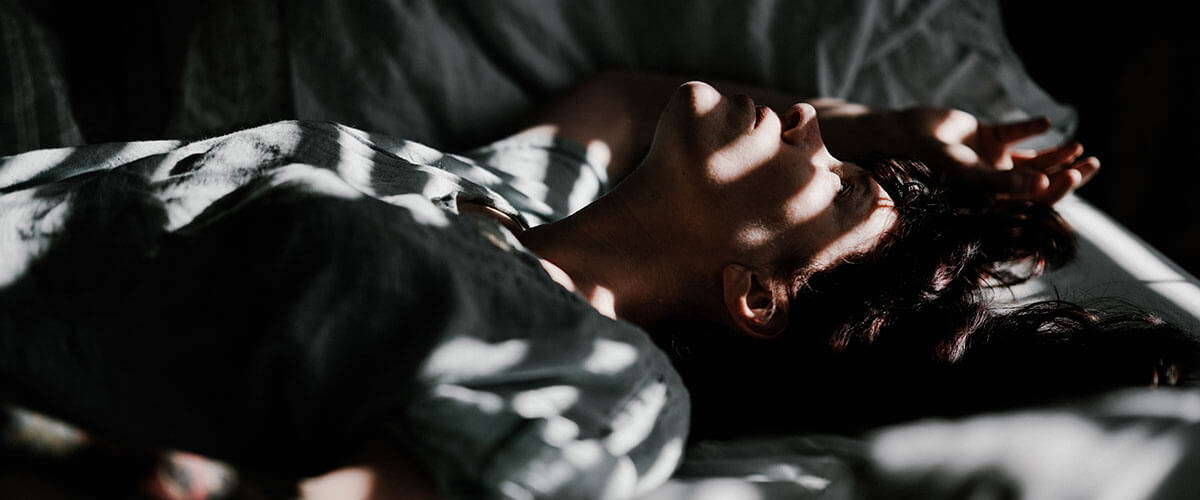
Whether it’s the occasional night of too-little sleep or the larger, more chronic sleep debt so many people face, the brain and body are severely compromised by the effects of sleep deprivation, and we are committed to helping our patients understand and treat these challenges.
With that in mind, it feels like a good time for a check-in about ways sleep deprivation can interfere with your health, your safety, your relationships, and your performance. Here are four major areas that are affected when you don't get enough sleep.
Poor sleep isn’t the only factor in weight gain, of course—there are several, including your genetics, your diet and exercise habits, your stress, and your health conditions. But the evidence is overwhelming: when sleep goes down, weight goes up.
And it doesn’t take a long time, or a lot of sleep deprivation, to bring the weight on. A fascinating study from researchers at the University of Colorado found that one week of sleeping about 5 hours a night led participants to gain an average of 2 pounds.
Sleep deprivation changes what foods you’re most interested in eating, creating more intense cravings for fat and sugar-laden foods. Low on sleep, your brain can’t make reasoned decisions and use its best judgment about food, and you’re more likely to be impulsive and give into junk-food desires.
We also know that even after a moderate amount of sleep deprivation, you’re likely to eat more the next day. And lack of sleep makes you more likely to eat more of your overall calories at night, which can lead to weight gain.
2. You look, and feel, older.
We don’t know anyone—man or woman—who wants to look and feel older than they are. Getting plenty of sleep is one way to help prevent that. Sleep is "nature's botox", and here's why:
During sleep—particularly during deep, slow-wave sleep, the body produces more human growth hormone, or HGH, and goes to work repairing and refreshing cells throughout the body—including cells of the skin, muscles, and bone. Short on sleep, you risk losing out on this important rejuvenation—and it’s going to show in how you look and feel.
Healthy, plentiful sleep is important to maintaining muscle mass—and sleep deprivation is linked to both reduced muscle mass and muscle strength in both men and women, particularly with age. Sleep deprivation also can interfere with bone health, reducing bone density and the production of new, strong bone.
Losing strength and mass in muscles and bones can affect everything from your posture to your flexibility to your ability to exercise and be active, to how well you heal after injury. To stay looking and feeling youthful, we need our muscles and bones strong and ready to work for us—and they need sleep to do that work.
3. Your risk for accident and injury goes through the roof.
Whether you’re at home, on the job, on the sports field or behind the wheel, when sleep deprived you’re at much higher risk for accident and injury: research that shows how insomnia is a major risk factor for accidental death.
The effects on the brain from sleep deprivation are in many ways similar to the effects of drinking too much alcohol—yet drowsy driving still doesn’t get nearly the attention as drunk driving. Some of the latest research from AAA shows drivers who slept even 1 hour less than they typically do are at significantly higher risk for motor-vehicle crashes. And the more sleep deprivation piles on, the higher the crash risk goes. The study found drivers who slept less than 4 hours the night before had more than 11 times the crash rate as drivers who slept 7 or more hours a night.
The workplace becomes much less safe when you’re sleep deprived. According to the National Sleep Foundation, highly sleep-deprived workersare 70 percent more likely to be in work-related accidents than well rested workers.
And a lack of sleep is linked to a higher risk of injury in athletes—including teenage athletes.
Accident risks are often talked about in relation to obstructive sleep apnea—and it’s true, that the presence of OSA raises significantly your risk of accident and injury. But NOT having OSA doesn’t protect you against accidental injury, if you’re not getting enough sleep. No matter how your sleep is disrupted or cut short, you’re more vulnerable to accidents.
4. You don’t heal as quickly from illness and injury.
Your risks for coming down with an illness are greater when you’re sleep deprived, and it will take you longer to recover. There’s brand new research that suggests sleep is more important than nutrition to healing. The study is particularly interesting because the scientists set out to test how a nutritional boost might speed wound healing, even in the presence of sleep deprivation. Instead, they found it was sleep that really accelerated healing—and a lack of sleep slowed it down. This is consistent with other research showing that sleep deprivation slows the healing process.
Sleep has a powerful effect on the immune system, so it’s not just wound healing, but all forms of recovery from illness, injury, and disease that are affected by sleep.
If you’re sleep deprived, you not only weaken your immune system, but you also deprive yourself of the time when body naturally does some of its best work to heal and repair itself.
Remember, when you’re sleep deprived, you’re not just facing one of these issues: you’re more than likely grappling with all of them. Think about that the next time you’re tempted to shortchange your sleep because something else seems more important.
Are you struggling with snoring and sleeplessness? Your next visit at Downtown Dental could be the key to jump stary your healing. Snoring and sleep disturbances are often signs of obstructive sleep apnea, and your oral health could be to blame.
| Monday | 7:00 AM – 5:00 PM |
| Tuesday | 7:00 AM – 5:00 PM |
| Wednesday | 7:00 AM – 5:00 PM |
| Thursday | 7:00 AM – 5:00 PM |
| Friday | 7:00 AM – 3:00 PM |
| Saturday | Closed |
| Sunday | Closed |